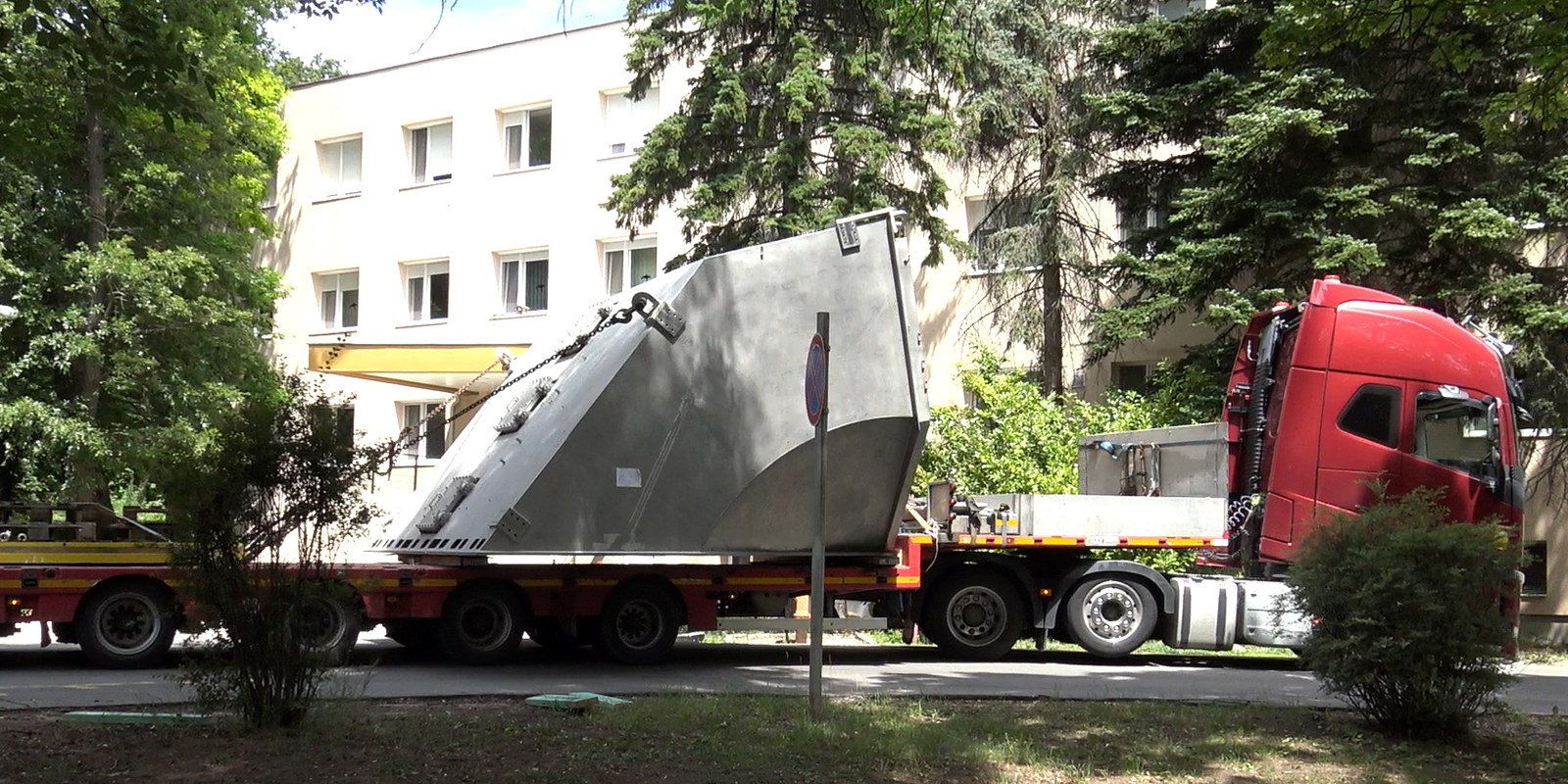
The Budapest Neutron Centre (BNC) is preparing to bring the NEAT neutron spectrometer into operation at its KFKI campus. The instrument, which is being transferred from Helmholtz-Zentrum Berlin (HZB), is expected to begin the next chapter of its scientific life in 2028.
NEAT is a direct-geometry time-of-flight neutron spectrometer designed to study dynamics at the atomic scale. By measuring how neutrons change their energy and direction when scattered by a sample, researchers can explore how atoms move and interact within materials. This information complements structural measurements and helps link microscopic behaviour to macroscopic material properties.
The technique supports a broad range of research, including studies of magnetic systems, nanostructured materials and soft matter such as biological samples. Because it enables the observation of atomic motion, it is especially well suited for elucidating dynamic processes that are inaccessible through static structural characterization alone. NEAT’s detector system and instrument design also make it well suited to experiments with specialised sample environments, enabling researchers to examine how materials behave under a variety of physical conditions.
With substantial contribution from Hungarian companies, NEAT underwent a comprehensive upgrade completed in 2017. Nevertheless, the instrument remained in operation for only two years before Berlin’s BER II research reactor was shut down in 2019. The transfer now provides this valuable instrument a new home and the opportunity to serve a new scientific user community. Under the agreement, German researchers will receive free access to 30% of the instrument’s beam time, while the Hungarian side covers the costs of relocation and installation.
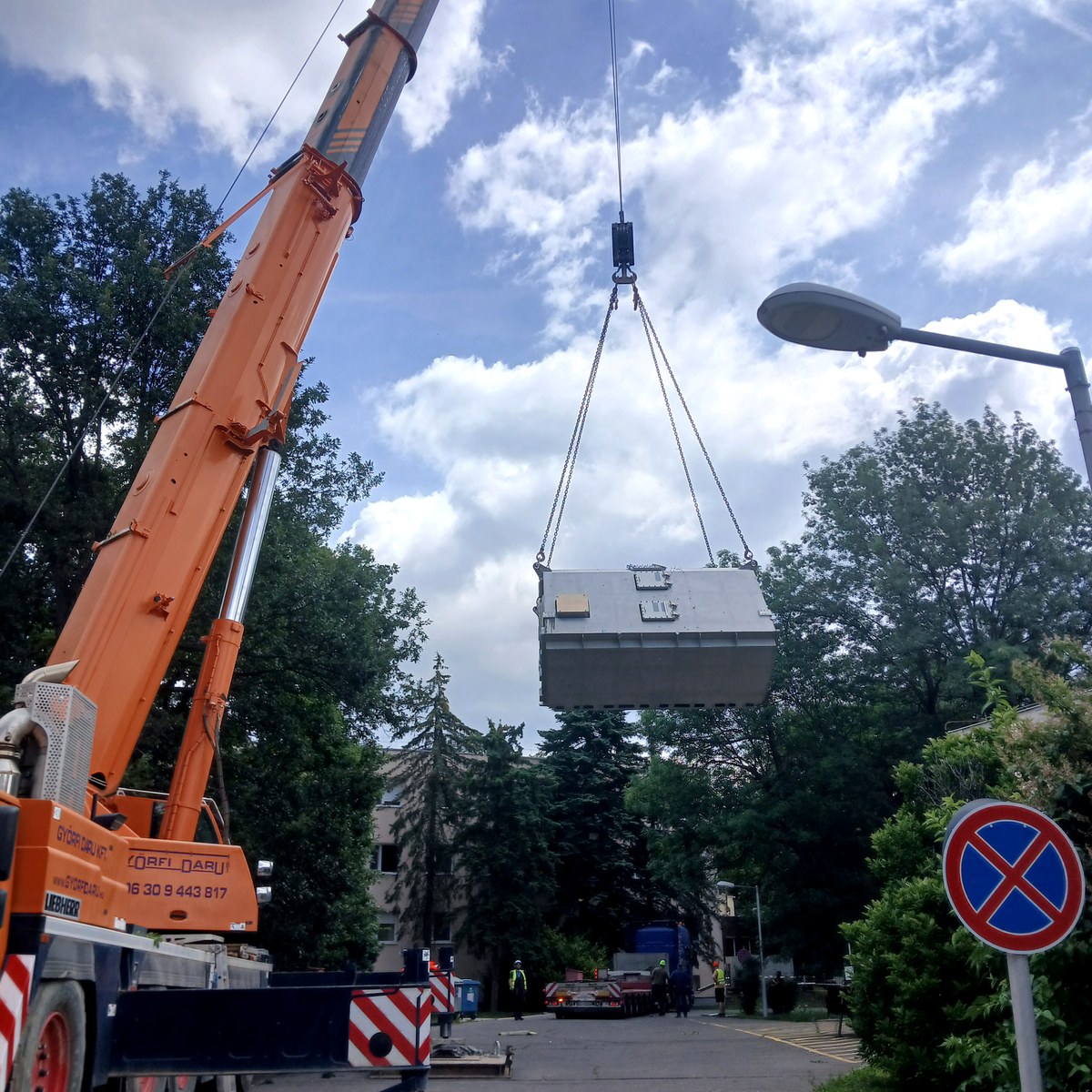
Integrating NEAT into BNC requires substantial infrastructure development. The project involves rearranging instruments in the cold neutron guide hall, together with upgrade of the cold source and the neutron guide system. The project also presents an opportunity to improve neutron delivery to other instruments, as advances in guide design and manufacturing since the installation of the current system offers significant potential for improved performance across the facility. NEAT’s relocation is therefore part of a broader development effort at the Budapest Research Reactor.
For BNC, the project brings both an expansion of experimental capabilities and a continuation of strong international cooperation. Once operational, NEAT will provide a new platform for studying material dynamics and for building collaborative research with Hungarian and international partners.